Emergency & After-Hours · Reno, Sparks & Washoe County
Emergency Electrician in Reno, NV: What Can't Wait, and What It Costs
Updated September 2026 · Part of the Reno electrician cost guide
As of September 2026, an emergency electrician in Reno, NV bills about $150–$200 per hour after hours, versus $40–$120 per hour for a standard call, and many add a dispatch fee to the $75–$125 service charge. If you smell burning, see sparks, or a breaker won't stay reset, shut the circuit off and call now — the table below tells you which problems can wait until morning.
Reno Elite Electrician · phone line live at launch. If there is fire or someone is hurt, call 911 first.
Call tonight: these are real emergencies
| What you're seeing | Do this now |
|---|---|
| Burning smell or smoke from an outlet, switch, or the panel | Shut off the breaker for that circuit (or the main if you can't tell which). If there is smoke or flame, leave and call 911 first. |
| Sparking or arcing you can see or hear | Kill the circuit. Don't touch the device. Arcing behind a wall or in the panel is a fire risk, not a nuisance. |
| A breaker that trips instantly every time you reset it | Stop resetting it. Repeated resets into a dead short heat the wiring. Leave it off and call. |
| Panel is warm to the touch, buzzing, or shows scorch marks | Don't open the cover. Shut off the main if it can be done safely and call. |
| Power out in part of the house with no tripped breaker, plus flickering elsewhere | Classic sign of a lost neutral or a failing service connection — it can send 240V to 120V devices. Unplug electronics and call. |
| Water contacting outlets, the panel, or a flooded room with power on | Do not enter standing water. Shut off the main from a dry location if possible; otherwise call NV Energy to disconnect. |
| Shock or tingle from a faucet, appliance, or metal surface | Stop touching it. This indicates a grounding fault and can escalate. Kill the circuit and call. |
Can probably wait until morning (and cost less)
- One dead outlet with no smell, heat, or discoloration — test the GFCI reset buttons in kitchens, baths, and garage first.
- A breaker that tripped once under an obvious overload (space heater plus microwave) and holds after reset.
- A light fixture that stopped working after a bulb change.
- A ceiling fan or dimmer that hums but shows no heat or smell.
- Adding outlets, circuits, or a charger — planned work, not an emergency, and cheaper on a weekday at standard rates.
The difference matters: the same hour of work is $150–$200 after hours and $40–$120 on a weekday. An honest electrician will tell you on the phone whether your problem is a tonight problem. For the full symptom list by urgency, see signs you need an electrician.
Before the electrician arrives: five steps
- Get people clear of the hazard. If there is smoke, flame, or someone has been shocked and is hurt, call 911 before anything else. Everything below assumes no one is injured.
- Shut off the affected circuit. At the panel, switch the breaker for the affected room or device fully off. If you can't identify it, or the panel itself is the problem, shut off the main breaker.
- Unplug sensitive electronics. Flickering lights or dimming across rooms can mean a voltage problem that damages TVs, computers, and appliances. Unplug what you can while you wait.
- Note what you saw. Which room, which device, what it smelled or sounded like, and whether it happened when a specific appliance ran. This shortens the diagnosis and the bill.
- Call a licensed electrician and ask three questions. What is the after-hours rate, is there a dispatch fee, and what is the estimated arrival window? A licensed C-2 contractor should answer all three plainly.
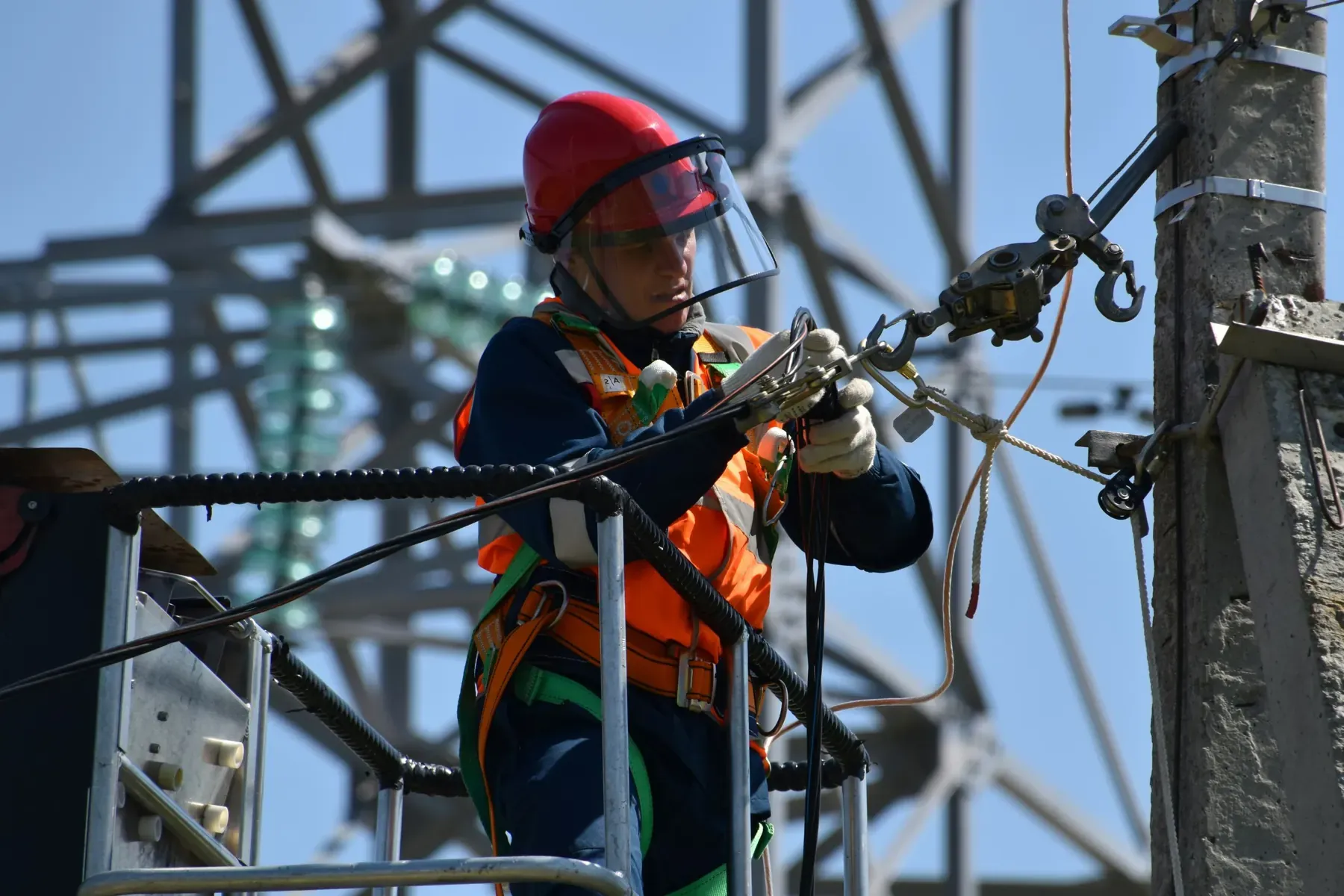
Damage on the utility side of the meter — the service drop, the meter base — is NV Energy's call first; an electrician repairs what's on your side.
What an emergency visit in Reno actually costs
Emergency pricing has three parts, and the reason bills surprise people is that companies bundle them differently. Ask about each one on the phone:
- Service call / dispatch: $75–$125 standard; after-hours dispatch fees vary by company and are the item most often added on. Ask whether it's credited to the work.
- After-hours labor: $150–$200/hr, usually with a one-hour minimum.
- Materials: a breaker, a receptacle, a length of wire — small on most emergency calls, because the emergency visit's job is usually to isolate the fault and make it safe, not to complete a rebuild at midnight.
A common and sensible pattern: the after-hours visit finds the fault, isolates the circuit, and leaves you safe; the repair itself (a new circuit, a panel replacement) is scheduled for the next business day at standard rates. If the fault is the panel, the panel upgrade cost guide covers what comes next.
Methodology. Standard and emergency hourly figures are HomeGuide's 2026 electrician cost-per-hour data (February 2026); the service-call range is the same source's electrical pricing guide. We have no sourced Reno-specific after-hours dispatch fee and don't publish one. Recheck before republishing.
Reno-specific: winter loads and generator mistakes
Two patterns show up disproportionately in cold months. First, space heaters: a 1,500W heater is most of a 15A circuit by itself, and two on one circuit — or one sharing a circuit with a microwave — is the classic winter trip. If the breaker trips and holds after you move the heater, that's an overload, not an emergency; if the receptacle the heater was plugged into is warm or discolored, it is. Second, portable generators during an outage: never backfeed a generator through a dryer outlet or any receptacle. It energizes the utility line and can kill a lineworker, and it's the reason a transfer switch or interlock kit (a planned, permitted install) exists. If you're in a snow-driven outage north of town, run cords from the generator to the appliances instead.
Even at 2 a.m., check the license
An emergency is when unlicensed operators do best, because nobody checks. Nevada requires electrical contractors to hold an NSCB C-2 license and to print the license number on their advertising (NRS 624.720) — so if the truck, website, or invoice has no license number, that's your answer. The lookup at app.nvcontractorsboard.com takes a few minutes; the how-to-hire guide shows exactly where to click. If it's a landlord's or HOA's building, tell the dispatcher — it changes who authorizes the work.
Emergency electrician questions
How much does an emergency electrician cost in Reno?
As of September 2026, emergency and after-hours electrical service in Reno bills about $150–$200 per hour, compared with $40–$120 per hour for a standard weekday call, and some companies add a flat dispatch fee on top of the $75–$125 service call. A one-hour emergency visit that isolates the problem and makes it safe typically lands in the low hundreds; the permanent repair often happens the next business day at standard rates.
Is a tripped breaker an emergency?
Usually not. A breaker that trips once under an obvious overload and holds when reset is doing its job. A breaker that trips immediately every time, or one that is warm, buzzing, or smells hot, is an emergency — stop resetting it and call.
Who do I call if my power is out in Reno — NV Energy or an electrician?
If the whole house is out and your neighbors are too, it's an outage — call NV Energy. If only your home is out, or only part of it, and the meter shows power, it's on your side of the meter and you need an electrician. If the service drop or meter base is physically damaged, call NV Energy first; they must disconnect before an electrician can repair it.
Are there actually 24-hour electricians in Reno?
Yes, several Reno-area electrical contractors advertise 24-hour or after-hours service, though "24-hour" often means an on-call electrician with a dispatch fee rather than a crew waiting at a shop. Ask about the arrival window and the after-hours rate before you agree to a dispatch.
Should I try to fix it myself to avoid the after-hours rate?
Resetting a GFCI or a single tripped breaker is fine. Opening the panel, replacing a device that showed heat or sparking, or working on anything that shocked you is not — in Nevada, electrical contracting work requires a licensed C-2 contractor, and a DIY repair on a circuit that already showed signs of fault is how small problems become fires.
Get Matched With a Local Electrician
Form goes live in Phase 8. Structure only for now.